
Bioavailability Index Score
4.33
Strong overall score, driven by L-5-MTHF folate, methylcobalamin B12, D3, CoQ10, selenium, and several well-rated nutrient forms.
Pure Encapsulations O.N.E.™ Multivitamin is a once-daily multivitamin label review focused on bioavailability and Supplement Facts. It uses Metafolin® L-5-MTHF folate, methylcobalamin B12, vitamin D3 and 50 mg CoQ10, but the formula also has clear one-capsule tradeoffs: no vitamin K, no magnesium, no calcium and no iron.
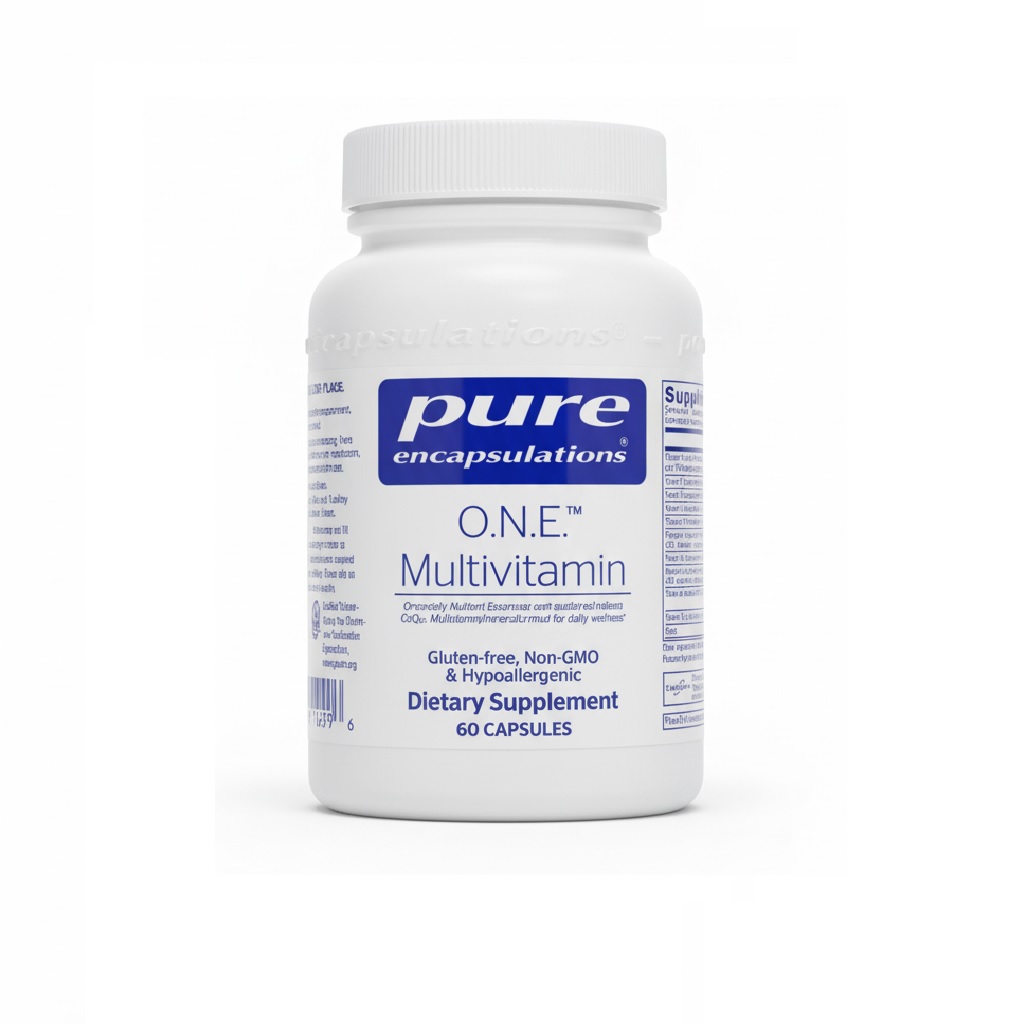
Fast product-level facts before the full review.
Strong overall score, driven by L-5-MTHF folate, methylcobalamin B12, D3, CoQ10, selenium, and several well-rated nutrient forms.
Once-daily format with 1 capsule per serving and 60 servings per container.
Based on captured USD48.50 marketplace offers and 60 servings; this is a price snapshot, not a live price.
The label lists folate as Metafolin® L-5-MTHF and vitamin B12 as methylcobalamin, two key forms users often check on this product.
Provides vitamin D as cholecalciferol D3 at 50 mcg per capsule, listed as 250% Daily Value.
The analyzed Supplement Facts table does not show magnesium or vitamin K, despite these being common nutrients users search for on this product.
Includes 50 mg CoQ10 with 18% from sustained-release MicroActive® Q10 complex, plus FloraGlo® lutein, zeaxanthin, and lycopene.
Mineral overview lists 3 pure chelates or other premium organic mineral forms and 4 non-chelated minerals, with no mixed mineral systems.
The 1-capsule format is convenient, but the mineral section is physically limited: no magnesium is listed and only 3 of 7 minerals are premium chelates or organic forms.
Full ingredient list with serving amounts, Daily Values, and bioavailability levels.
| Ingredient | Amount Per Serving | % Daily Value | Bioavailability Level | ||
|---|---|---|---|---|---|
| Vitamin A (as vitamin A acetate and 73% beta carotene) | 1,125 mcg | 125% | Up. Medium | ||
Up. Medium | |||||
| Vitamin C (as ascorbic acid) | 180 mg | 200% | High | ||
High | |||||
| Vitamin D (as cholecalciferol) (D3) | 50 mcg (2,000 IU) | 250% | High | ||
High | |||||
| Vitamin E (as d-alpha tocopherol succinate) | 20 mg | 134% | Up. Medium | ||
Up. Medium | |||||
| Thiamin (as thiamin HCl) (B1) | 3 mg | 250% | High | ||
High | |||||
| Riboflavin (as vitamin B2 and 43% riboflavin 5'phosphate (activated b2)) | 3 mg | 231% | Up. Medium | ||
Up. Medium | |||||
| Niacin (as niacinamide) | 20 mg | 125% | High | ||
High | |||||
| Vitamin B6 (as pyridoxine HCl and 38% pyridoxal 5' phosphate (activated b6)) | 4 mg | 235% | Up. Medium | ||
Up. Medium | |||||
| Folate (as Metafolin®, L-5-MTHF) | 667 mcg DFE (400 mcg L-5-MTHF) | 167% | Superior | ||
Superior | |||||
| Vitamin B12 (as methylcobalamin ) | 500 mcg | 20,833% | High | ||
High | |||||
| Biotin | 300 mcg | 1,000% | High | ||
High | |||||
| Pantothenic acid (as calcium pantothenate) (B5) | 10 mg | 200% | High | ||
High | |||||
| Iodine (as potassium iodide) | 150 mcg | 100% | High | ||
High | |||||
| Zinc (as zinc citrate) | 25 mg | 227% | Medium | ||
Medium | |||||
| Selenium (as selenomethionine) | 70 mcg | 127% | High | ||
High | |||||
| Manganese (as manganese citrate) | 2 mg | 87% | High | ||
High | |||||
| Chromium (as chromium polynicotinate) | 200 mcg | 571% | High | ||
High | |||||
| Molybdenum (as TRAACS® molybdenum glycinate chelate) | 75 mcg | 167% | High | ||
High | |||||
| Boron (as boron glycinate) | 1 mg | * | High | ||
High | |||||
| Inositol | 25 mg | * | High | ||
High | |||||
| Coenzyme Q10 (as CoQ10 and as 18% from sustained-release MicroActive Q10-cyclodextrin complex) | 50 mg | * | Superior | ||
Superior | |||||
| Alpha lipoic acid | 50 mg | * | High | ||
High | |||||
| FloraGlo® Lutein | 3 mg | * | High | ||
High | |||||
| Zeaxanthin | 500 mcg | * | Up. Medium | ||
Up. Medium | |||||
| Lycopene | 500 mcg | * | Medium | ||
Medium | |||||
| *Daily Value (DV) not established | |||||
Pure Encapsulations O.N.E.™ Multivitamin should be read first as a Supplement Facts label, not as a generic multivitamin review.
The product is positioned as a once-daily, hypoallergenic multivitamin/mineral formula for men and women 18+, with highly bioavailable vitamins, trace minerals, CoQ10, alpha-lipoic acid and carotenoids.
Fast label answers:
Core interpretation: O.N.E. is strongest where many multis are weak: methylated folate, methyl-B12, partial active B-vitamins and meaningful CoQ10. The tradeoff is the one-capsule format: bulky minerals and vitamin K are left outside the formula.
Best way to use this page: first check the Supplement Facts and missing nutrients, then interpret the Bioavailability Index. The real question is not whether the label looks impressive, but whether the forms and omissions fit your use case.
O.N.E. leans heavily into activated and methylated B-vitamin forms. This is one of the strongest parts of the label and one of the main reasons users search for this product.
Why this matters: L-5-MTHF bypasses the folic-acid conversion step, methylcobalamin is directly usable in methylation pathways, and P5P/R5P reduce reliance on conversion into active coenzyme forms.
Label transparency matters here. Many products say they contain active B-vitamins without stating how much of the dose is active. O.N.E. discloses the active-form percentage for B2 and B6, which makes the label more useful for comparison.
Interpretation: this is not an extreme methylation formula, but it avoids the biggest folate/B12 weakness of mass-market multivitamins: folic acid plus cyanocobalamin. For people specifically checking methylated folate and methylcobalamin, this is a real strength.
One of the most important label findings is simple: O.N.E. contains no vitamin K. There is no K1 and no K2 listed.
This matters because many premium multivitamins now include D3 + K2 combinations, while O.N.E. provides 2,000 IU (50 μg) vitamin D3 without vitamin K.
Net effect: the absence of vitamin K widens compatibility for certain users, but it also shifts K/K2 management outside the multivitamin.
The mineral section is where the one-capsule tradeoff becomes visible. O.N.E. covers several trace minerals, but it does not try to be a complete mineral formula.
Interpretation: O.N.E. handles trace minerals intelligently, but the format cannot carry bulky minerals. Most users who need magnesium, calcium or iron will need to stack those separately.
Most multivitamins either skip CoQ10 or include a token amount. O.N.E. provides 50 mg CoQ10 per capsule, with part of the dose included as a MicroActive® CoQ10-cyclodextrin complex with sustained release.
Why this matters:
Practical interpretation: 50 mg is meaningful for a multivitamin. It is not the same as a dedicated 100-200 mg CoQ10 protocol, but it is more than label decoration.
Who benefits most: users who want baseline mitochondrial and antioxidant support inside a once-daily multi. For targeted therapeutic use, CoQ10 usually needs to be handled separately.
Beyond vitamins and minerals, O.N.E. includes several extra actives: lutein, zeaxanthin, lycopene, alpha-lipoic acid, inositol and CoQ10.
Bottom line: CoQ10 is the strongest bonus active. The other additions improve nutrient density, but they should not be mistaken for targeted therapeutic dosing.
On this platform, products are scored with a proprietary Bioavailability Index (BI) based on ingredient form quality, expected absorption and the relative importance of each nutrient in the formula.
For Pure Encapsulations O.N.E. Multivitamin, the current score is:
BI = 4.33 / 5 - High
Important: BI is not a clinical outcome score. It is a structured way to compare form quality and bioavailability logic across supplement labels. By that standard, O.N.E. performs strongly.
Practical use case: O.N.E. works best as a high-quality nutritional base layer, not as a single pill that solves every micronutrient need.
Pure Encapsulations O.N.E. Multivitamin is a strong once-daily multivitamin when judged by Supplement Facts quality rather than marketing language.
Final assessment: O.N.E. is a high-bioavailability, practitioner-style multivitamin with strong methylated forms and useful CoQ10. It is best for users who want a clean one-capsule base and understand that magnesium, vitamin K2, iron or calcium may need to be managed separately.
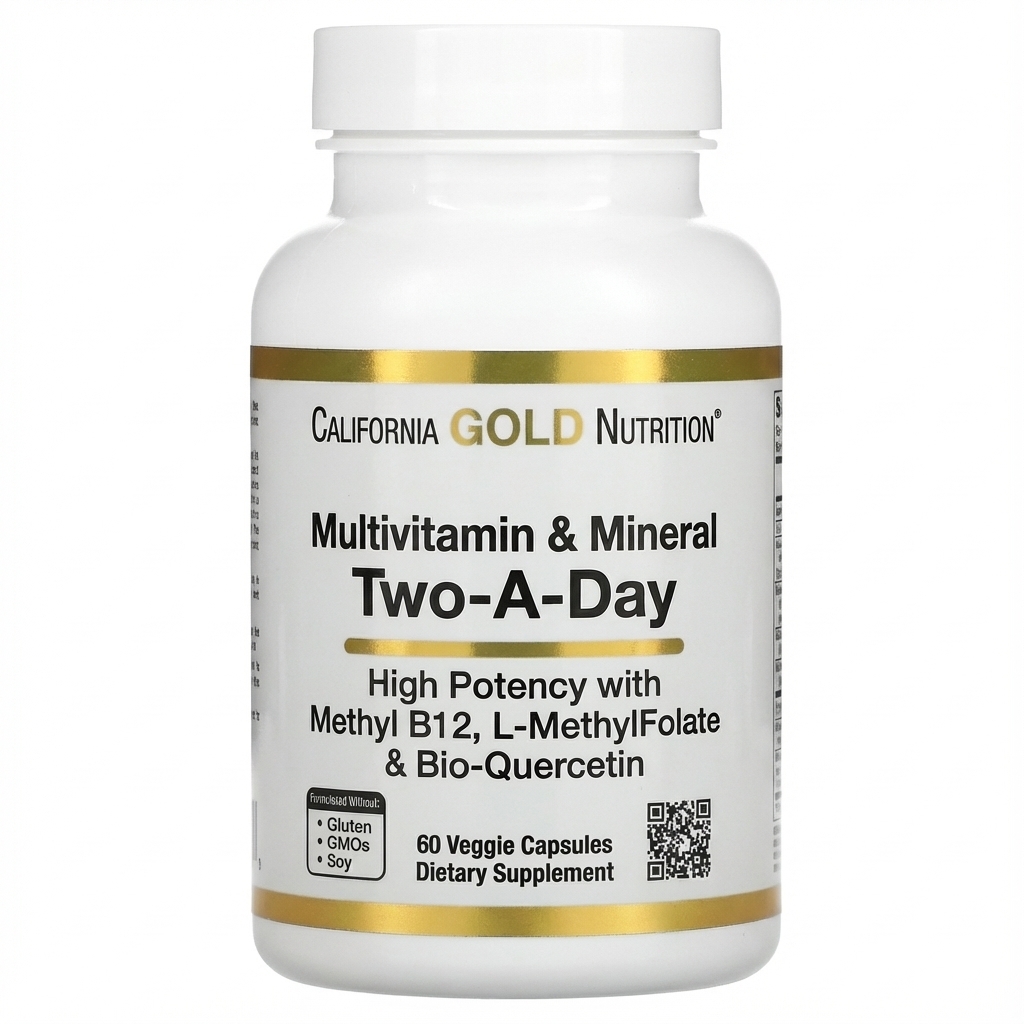
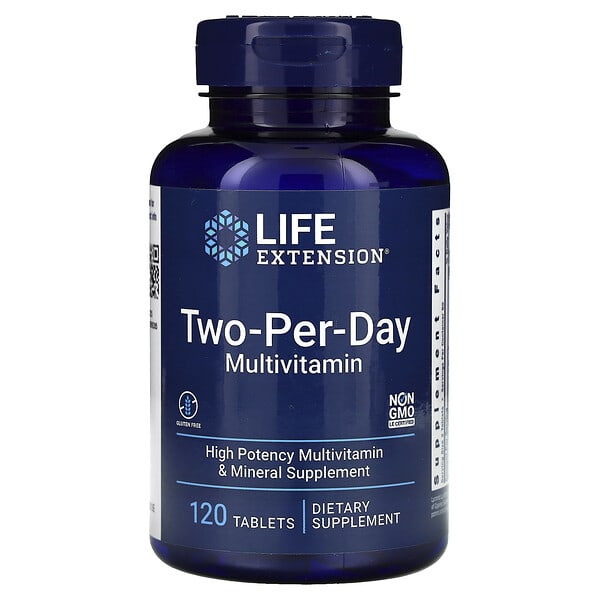
The key Supplement Facts are: 1 capsule daily, vitamin D3 50 mcg / 2,000 IU, folate as Metafolin® L-5-MTHF, vitamin B12 as methylcobalamin 500 mcg, zinc 25 mg as zinc citrate, and CoQ10 50 mg with a sustained-release MicroActive® component.
The most important label gaps are also clear: no vitamin K, no magnesium, no calcium and no iron are listed. This makes O.N.E. better understood as a high-quality vitamin and trace-mineral base, not a complete mineral formula.
Yes. Pure Encapsulations O.N.E. Multivitamin uses folate as Metafolin® L-5-MTHF and vitamin B12 as methylcobalamin. These are the main methylated forms users usually check when comparing this product with standard multivitamins that use folic acid or cyanocobalamin.
The label also discloses partial active B-vitamin forms: 38% of vitamin B6 as P5P and 43% of riboflavin as R5P. This makes the B-vitamin section one of the strongest parts of the formula.
No. Pure Encapsulations O.N.E. Multivitamin does not list vitamin K. There is no K1 and no K2 listed in the analyzed Supplement Facts.
This can be useful for people who need clinician-supervised control of vitamin K intake, especially users taking vitamin-K antagonist anticoagulants such as warfarin. For users who specifically want a D3 + K2 combination, vitamin K would need to come from diet or a separate supplement.
No. The analyzed Supplement Facts do not list meaningful magnesium, calcium or iron content. This is the main one-capsule tradeoff: bulky minerals cannot be included at useful doses without making the serving size much larger.
Think of O.N.E. as a high-quality vitamin and trace-mineral base. If you need magnesium, calcium or iron support, those usually need to be handled separately based on diet, labs and clinician guidance.
Pure Encapsulations O.N.E. contains 50 mg of CoQ10 per capsule. Part of the CoQ10 is included as a MicroActive® Q10-cyclodextrin complex with sustained-release positioning.
For a once-daily multivitamin, 50 mg CoQ10 is meaningful and not just label decoration. However, it is still not the same as a dedicated 100-200 mg CoQ10 protocol used for targeted supplementation.
Yes. Pure Encapsulations O.N.E. Multivitamin is positioned as a once-daily adult multivitamin and is not gender-specific. It can be used by both men and women when the formula fits their individual needs.
The important caveat is that it is iron-free and does not include magnesium, calcium or vitamin K. That may be an advantage for some adults and a limitation for others.
No. O.N.E. should not be treated as a dedicated prenatal multivitamin. It contains preformed vitamin A and does not include iron or vitamin K, which are often handled specifically in prenatal formulas.
If you are pregnant, trying to conceive or breastfeeding, use a dedicated prenatal formula and follow the guidance of your healthcare provider rather than relying on O.N.E. as your only prenatal supplement.
On Supplement Facts Rank, Pure Encapsulations O.N.E. Multivitamin has a Bioavailability Index of 4.33 / 5, which places it in the high range.
The score is mainly driven by L-5-MTHF folate, methylcobalamin B12, partial active B6 and B2 forms, vitamin D3, selenomethionine, TRAACS® molybdenum and 50 mg CoQ10. The score is limited by the absence of magnesium, calcium, iron and vitamin K, plus the use of zinc citrate rather than a fully chelated zinc form.
The information provided on this website is for informational purposes only and is not intended as medical advice, diagnosis, or treatment. Always consult with a healthcare professional for any health-related questions or concerns.